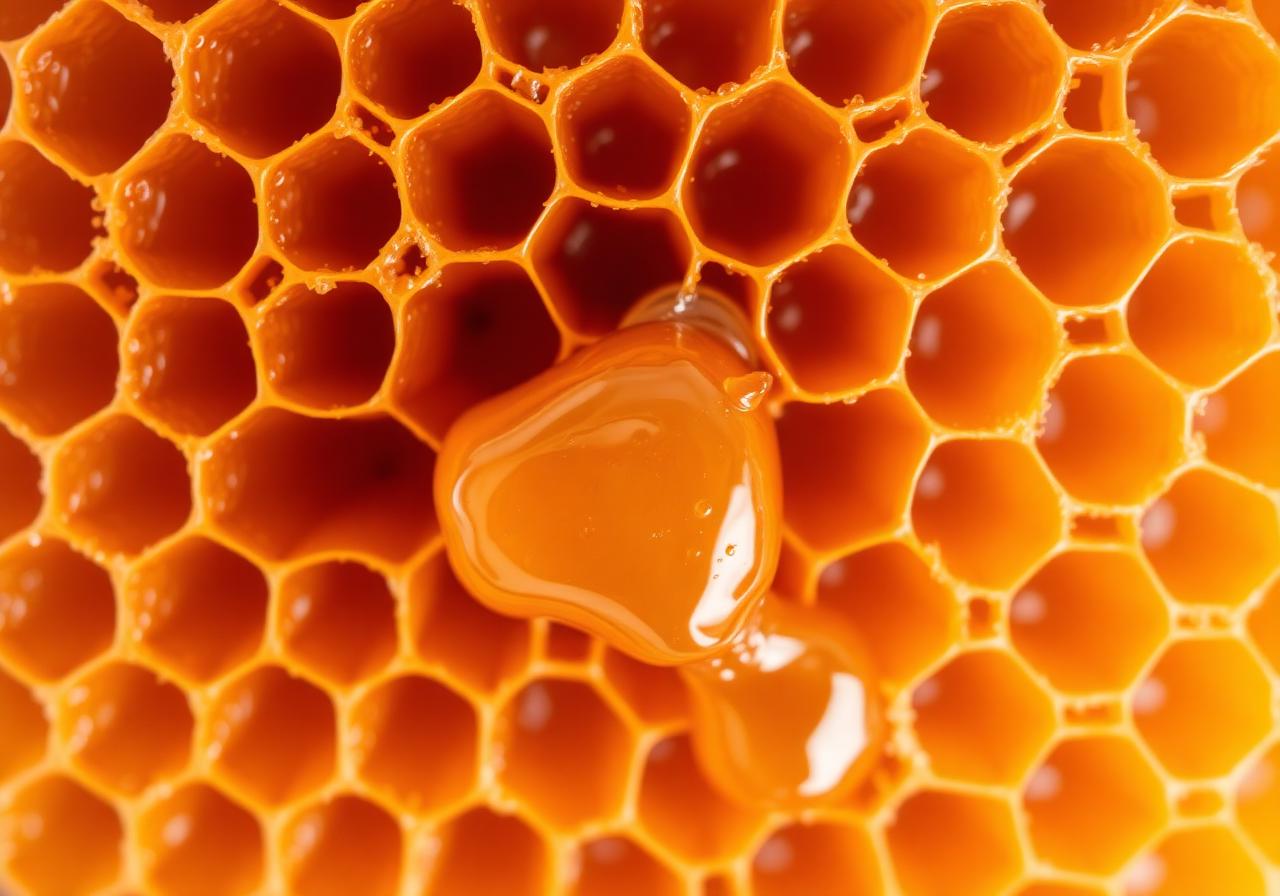
Plate II
Wound care
Diabetic foot ulcers, burns, post-surgical and chronic wounds. The largest evidence base — and the home of the BNF formulary listings.
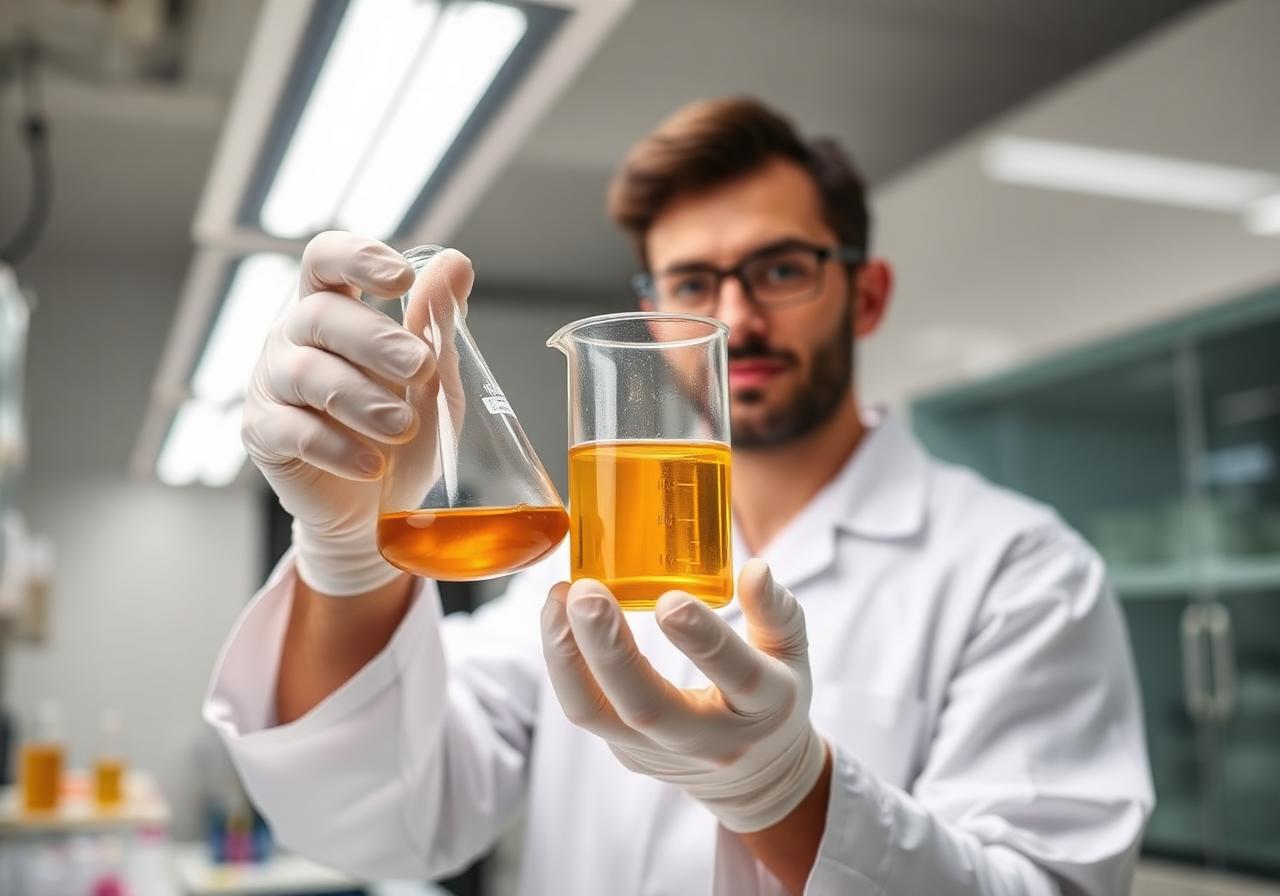
One category. One reference. The chemistry, the clinical literature and the commercial landscape of Medical Grade Honey — for formulators, clinicians and buyers who want to separate marketing language from what the science actually supports.
Mānuka leads the field. It is not the whole field.
Controlled sourcing, validated bioburden, sterilisation that survives the active chemistry, and a documentation file that can carry the label from shelf to wound bed. Mānuka holds the dominant clinical position because of its stable, non-peroxide MGO activity — but the wound-care literature ranges across buckwheat, heather and other monofloral honeys produced under controlled conditions. Treating the category as one product confuses prescribers and underestimates everything else on the formulary.
MGO stands for methylglyoxal — the naturally occurring compound that gives Mānuka honey its signature antibacterial activity. The number on the jar (MGO 250, MGO 514, MGO 829) is the measured concentration of methylglyoxal in milligrams per kilogram of honey. The higher the number, the more concentrated the activity.
Unlike the hydrogen-peroxide activity found in regular honeys, MGO is heat-stable, catalase-resistant and survives sterilisation. That stability is what makes high-MGO Mānuka the raw material of choice for medical-grade dressings, oral and topical formulations.
| MGO grade | UMF ≈ | Typical use |
|---|---|---|
| MGO 83+ | UMF 5+ | Entry Mānuka — table use, toast, tea, baking. |
| MGO 100+ | UMF 6+ | Everyday wellness — daily teaspoon, drizzle, mild throat. |
| MGO 250+ | UMF 10+ | Wellness with a kick — sore throat, immune support, skincare. |
| MGO 400+ | UMF 13+ | Targeted daily therapeutic — oral, gut, topical. |
| MGO 514+ | UMF 15+ | Premium therapeutic — recognised wellness threshold. |
| MGO 829+ | UMF 20+ | Clinical-strength wellness; entry medical-grade raw material. |
| MGO 1000+ | UMF 23+ | Sterilisation-ready Mānuka for wound-care formulation. |
Both describe the same honey. MGO is a single analyte — methylglyoxal in mg/kg — and is typically the primary spec on a medical-device file. UMF is a composite quality mark from the UMF Honey Association requiring minimum levels of MGO, DHA, leptosperin and HMF, and carries more consumer recognition on retail shelves.
For buyers: a jar marked MGO 514 and a jar marked UMF 15+ are broadly equivalent in antibacterial activity. For formulators: ask for MGO measured by validated LC-MS, with DHA and water activity on the same certificate of analysis.
Most honeys derive activity from hydrogen peroxide — fragile, easily lost to heat or tissue catalase. Mānuka's signature is methylglyoxal, formed slowly from DHA in the nectar of Leptospermum scoparium. Stable. Quantifiable. Survives sterilisation.
"Supported by systematic reviews and meta-analyses, medical-grade honey was identified as the most potent and all-round wound-care product compared to the others."
Drawing on Cochrane Review · BNF / NICE · NHS Oxford Health · UCLA · Frontiers in Oncology · ClinicalTrials.gov
| Property | Peroxide | Mānuka |
|---|---|---|
| Heat stable | — | ✓ |
| Catalase resistant | — | ✓ |
| Dose quantifiable | variable | mg/kg MGO |
| Survives gamma | partial | ✓ |
The global medical-grade honey market is on a credible doubling trajectory — driven by chronic-wound prevalence, antimicrobial resistance, and a measurable consumer return to nature-derived, evidence-backed therapeutics. Mānuka holds the clinical centre.
537M+ adults with diabetes today, projected 780M+ by 2045 (IDF). 15–25% lifetime DFU risk; chronic wounds cost the US system >$96B/year.
AMR drives ~1.27M deaths/year globally. Honey's multi-mechanistic action is structurally hard to resist — referenced in WUWHS and EWMA wound-care guidelines.
$65B+ global natural-health products market in 2025. Premium MGO Mānuka brands now command pharmacy and DTC shelf space across skin, throat and gut.
Diabetic foot ulcers, burns, post-surgical and chronic wounds. The largest evidence base — and the home of the BNF formulary listings.
MGO/DHA quantification, sterility validation and stability under accelerated storage. Where claims are won or lost.

Equine, companion animal and livestock topical applications. A quietly serious market with its own formulary discipline.
Clinihoney.com is the retail and clinical-supply home for Medical Grade Mānuka across every MGO grade — from skincare-ready 350+ to sterilisation-ready 800+. BulkHoneyCo handles the bulk supply; Clinihoney delivers the finished product.
Clinicians, formulators, buyers — contact us and we'll point you to the right reference, the right specification, or the right person.
MGO stands for methylglyoxal — the naturally occurring compound that gives Mānuka honey its signature, stable antibacterial activity. The MGO number on a jar (e.g. MGO 250, MGO 514, MGO 800) is the measured concentration of methylglyoxal in milligrams per kilogram of honey. The higher the MGO number, the more concentrated the antibacterial activity. Unlike the hydrogen-peroxide activity found in regular honeys, MGO is heat-stable, catalase-resistant and survives sterilisation — which is why it underpins medical-grade Mānuka.
It depends on the use. For everyday wellness, toast or tea: MGO 100–250 is plenty. For sore throats, skin and immune support: MGO 250–514. For targeted topical use, oral health or as a daily therapeutic teaspoon: MGO 514–829. For wound-care raw material and clinical formulation work: MGO 829+ and into the sterilisation-ready 1000+ grades. Higher MGO costs significantly more per kilo — buying above your use case is wasted spend.
MGO measures methylglyoxal in milligrams per kilogram — a single antibacterial analyte. UMF is a composite quality mark from the UMF Honey Association requiring minimum levels of MGO, DHA, leptosperin and HMF. Both describe Mānuka honey; MGO is typically the primary number on a medical-device specification, while UMF carries more consumer recognition on retail shelves. Rough conversion: UMF 10+ ≈ MGO 263, UMF 15+ ≈ MGO 514, UMF 20+ ≈ MGO 829, UMF 24+ ≈ MGO 1122.
Medical Grade Honey (MGH™) is honey sourced under controlled conditions, characterised for activity — typically MGO, DHA, water activity and pH — sterilised (usually by gamma irradiation around 25 kGy) and supplied under a documented quality system for use as a raw material in or alongside a registered medical device. It is a process and a documentation file, not a flower.
No. MGH is the raw material or active ingredient. The finished medical device — a wound dressing, eye gel or topical product — carries the relevant device registration in the territory of sale. BulkHoneyCo supplies the medical-grade raw material; we do not register devices.
Not meaningfully. Gamma irradiation at 25 kGy reduces peroxide activity in non-Mānuka honeys because the enzymes that generate peroxide are damaged. Mānuka's signature activity is methylglyoxal — a small, non-enzymatic molecule essentially unaffected by gamma. Industry batch-release data routinely show MGO retention ≥ 95% post-sterilisation.
No. Mānuka adds heat- and catalase-stable MGO activity, which matters for sterilised dressings, infected or biofilm-bearing wounds, and quantified antimicrobial positioning. For straightforward debridement, moist wound healing, veterinary topical use or culinary applications, a well-handled peroxide-active honey is often clinically equivalent at a fraction of the cost.
Honey is roughly 80% sugar, so it creates a strong osmotic gradient that draws fluid out of the wound. This delivers autolytic debridement, maintains a moist healing environment, and displaces odour-producing metabolites — independent of any antibacterial chemistry. In Mānuka, methylglyoxal adds a quantified antibacterial layer on top.
Sterilisation-ready Mānuka from MGO 350+ for wound care and clinical formulations.
Every MGO grade from 50+ to 800+ from certified New Zealand producers.
Pick the right Mānuka grade for your application in seconds.
How honey is defined and graded across the UK, EU, NZ, US and Codex.
Country, region, harvest and batch ID for every drop.
Bulk supply enquiries, specification packs and sample requests.